What is Abhyanga?
The Traditional Ayurvedic Self-Massage for Body, Mind & Spirit
Abhyanga is a traditional Ayurvedic, full-body self-massage or therapeutic treatment using warm, herb-infused oils tailored to an individual's dosha (body type). As part of Dinacharya (daily routine), it aims to nourish skin, improve circulation, reduce stress, and balance body energy.
Originating from ancient Indian healing traditions over 5,000 years old, Abhyanga is more than just a massage—it's a sacred practice of self-love and nourishment. The term "Abhyanga" comes from Sanskrit: "Abhi" meaning "towards" and "Anga" meaning "limb" or "body part," signifying the application of oil towards the body.
Abhyanga is considered one of the most important daily practices in Ayurveda for maintaining health, preventing disease, and promoting longevity. Regular practice can transform not just your skin, but your entire being.
The method involves applying warm oil from head to toe using circular strokes on joints and long, sweeping motions on limbs. This practice nourishes tissues, aids in detoxification (often as part of Panchakarma), and promotes overall well-being. Benefits include relaxation, pain relief, reduced stiffness, better sleep, and enhanced skin health.
Abhyanga is typically practiced in the morning before bathing, allowing the oil to be absorbed by the skin and tissues for 15-30 minutes before a warm shower. Commonly used oils include sesame (ideal for Vata and Kapha doshas) and coconut (particularly balancing for Pitta dosha).
Choose Your Ayurvedic Oil
Select the oil best suited for your dosha type and skin needs
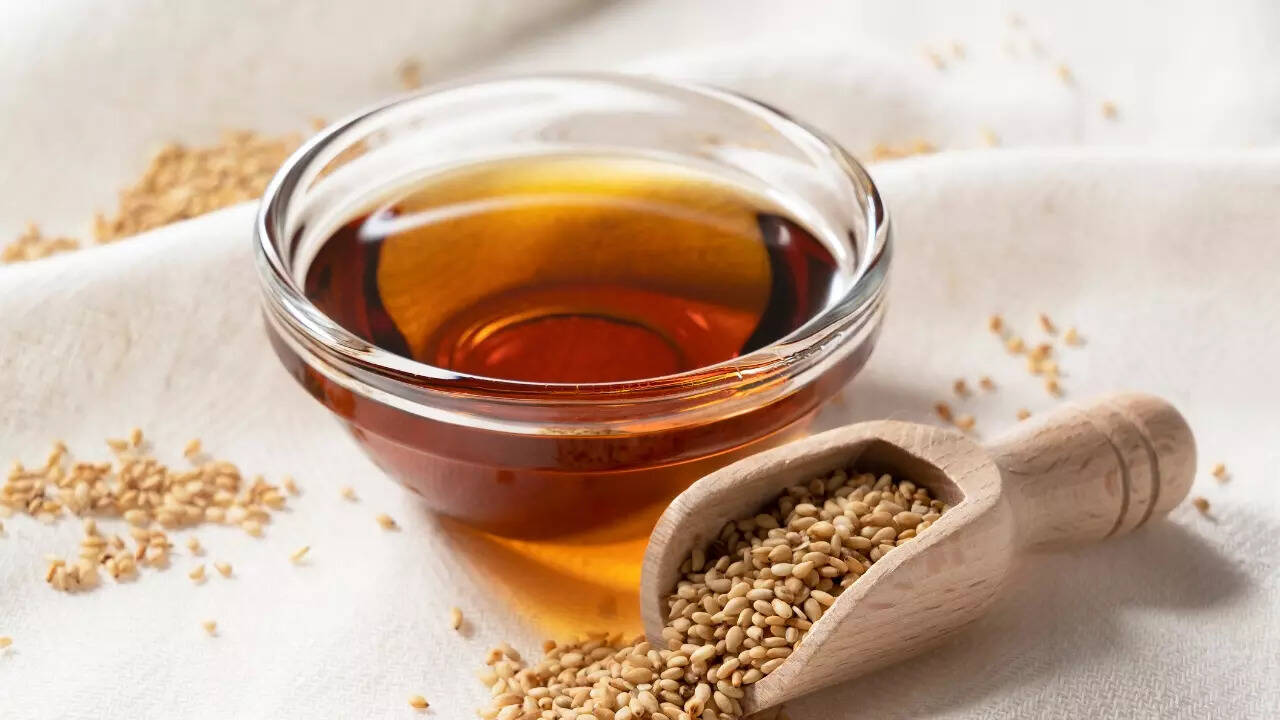
Sesame Oil
Warming, grounding, nourishing. Rich in antioxidants and ideal for dry skin. Best for Vata and Kapha types.

Coconut Oil
Cooling, soothing, antimicrobial. Perfect for sensitive or inflamed skin. Ideal for Pitta types.

Almond Oil
Light, nourishing, vitamin-rich. Promotes skin elasticity and glow. Suitable for all doshas.

Herbal Infused
Medicated with Ayurvedic herbs like Ashwagandha, Brahmi. Tailored for specific needs.
Step-by-Step Abhyanga Guide
Follow these 7 steps for a complete self-massage experience
Prepare Your Space & Oil
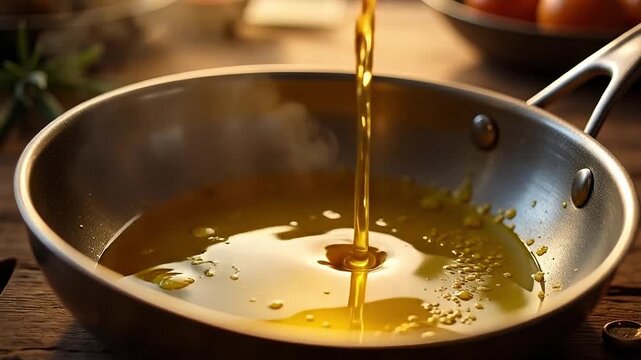
Choose a warm, quiet, comfortable space where you won't be disturbed. Place a towel on the floor to catch any drips. Pour ¼ to ½ cup of oil into a small bowl and warm it gently by placing the bowl in hot water for a few minutes. Test the temperature on your wrist—it should be warm, not hot.
Start with the Head
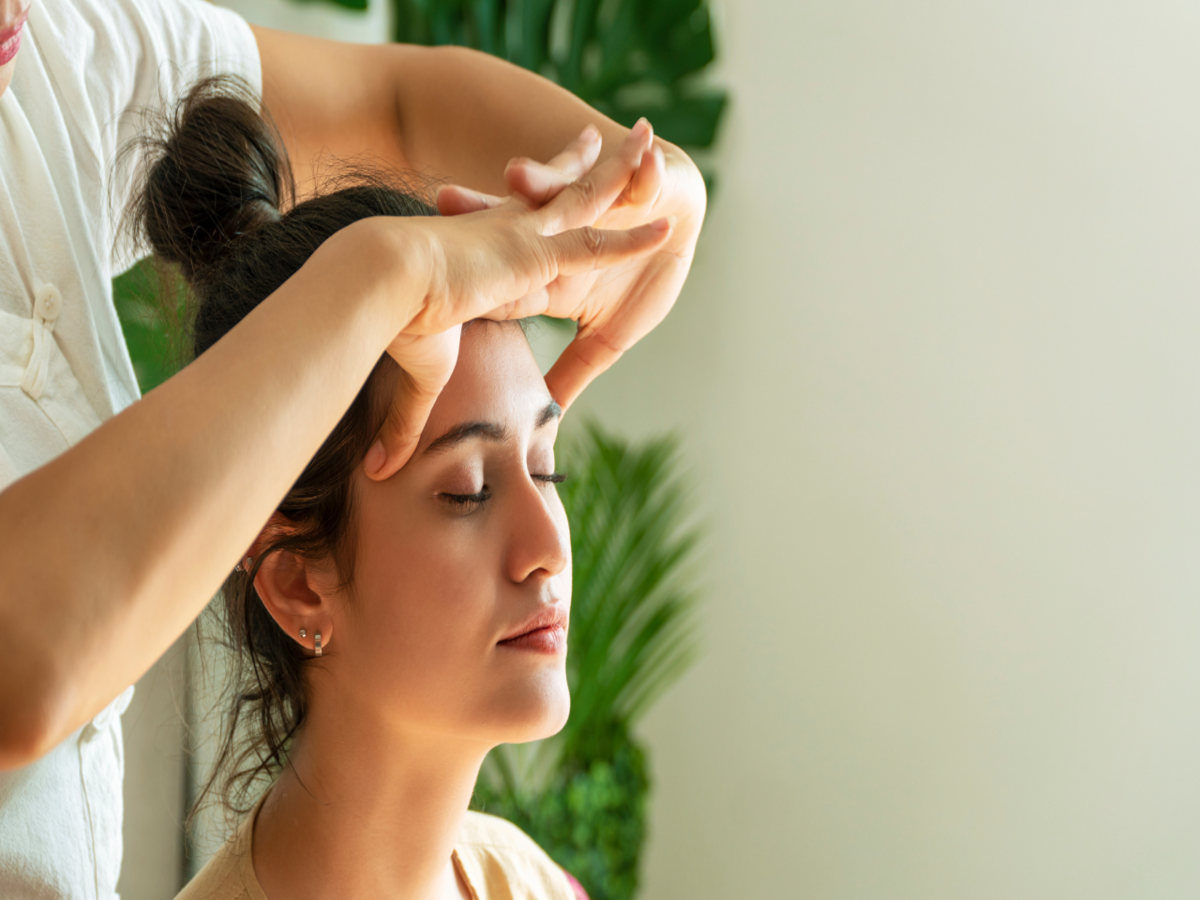
Begin at the crown of your head. Apply oil to your scalp using circular motions with your fingertips. Move to your forehead, temples, behind the ears, and jaw. Massage your face gently, avoiding the eye area. Spend 2-3 minutes on your head and face, as this area is particularly calming to the nervous system.
Massage Arms & Hands
Apply oil to one arm at a time. Use long, sweeping strokes from shoulder to wrist on the outer arms, and from wrist to shoulder on the inner arms. Use circular motions on the joints (shoulders, elbows, wrists). Don't forget the hands—massage each finger individually and the palms with circular motions.

Work on Chest & Abdomen
Apply oil to your chest and use upward and outward strokes. On the abdomen, use gentle clockwise circular motions, following the direction of the colon. This stimulates digestion and elimination. Spend extra time on any areas of tension or discomfort.

Massage Legs & Feet
Apply oil to one leg at a time. Use long strokes from hip to ankle on the front and sides of the legs, and from ankle to hip on the back of the legs. Use circular motions on the hips, knees, and ankles. Massage the feet thoroughly, including the soles, heels, and each toe.

Rest & Absorb
After applying oil to your entire body, allow it to absorb for 15-30 minutes. Sit or lie down quietly, perhaps practicing deep breathing or meditation. This allows the oil to penetrate deeper tissues and the nervous system to integrate the benefits.

Warm Bath or Shower
Take a warm (not hot) bath or shower to wash off excess oil. Use minimal soap—just enough to remove the oil but leave a thin protective layer on your skin. Pat yourself dry gently with a towel. Your skin should feel nourished, not greasy.

Benefits of Regular Abhyanga
Discover the transformative effects of daily Ayurvedic self-massage

Skin Nourishment
Abhyanga moisturizes the skin from within, improving texture, elasticity, and glow. The oils penetrate deep into tissues, providing nutrients that commercial lotions cannot.

Stress Relief
The rhythmic strokes calm the nervous system, reduce cortisol levels, and promote relaxation. Regular practice can significantly reduce anxiety and improve emotional balance.

Improved Circulation
The massage movements stimulate blood and lymph flow, helping to deliver oxygen and nutrients to tissues while removing toxins more efficiently.

Joint Health
Warm oil penetrates joints, reducing stiffness and improving mobility. The lubrication helps prevent age-related joint issues and arthritis.

Better Sleep
Practicing Abhyanga in the evening calms the nervous system and prepares the body for deep, restorative sleep. Many practitioners report falling asleep faster and waking more refreshed.

Detoxification
The oils help draw toxins from deep tissues to the surface where they can be eliminated. Combined with improved circulation, this creates a powerful detox effect.
Abhyanga for Your Dosha
Customize your practice based on your Ayurvedic body type
Vata Dosha: Grounding & Warming
Recommended Oils
- Sesame Oil: Warming, heavy, grounding (ideal)
- Almond Oil: Nourishing, calming
- Castor Oil: For deep detoxification (use occasionally)
- Essential Oils: Sandalwood, ginger, cardamom
Best Time
Morning, 5-10 minutes daily. Vata types benefit from routine and consistency.
Technique Tips
- Use slow, steady, grounding strokes
- Apply more pressure than for other doshas
- Focus on joints, lower back, and feet
- Use circular motions on abdomen to calm digestion
- End with warm (not hot) shower
Special Considerations
Vata is cold, dry, and light—counter with warm, heavy, moist oils. Avoid quick, erratic movements. Create a calming environment with soft lighting.
Pitta Dosha: Cooling & Soothing
Recommended Oils
- Coconut Oil: Cooling, soothing (ideal)
- Sunflower Oil: Light, cooling
- Ghee: Clarified butter, cooling effect
- Essential Oils: Rose, jasmine, mint
Best Time
Evening, 10-15 minutes, 3-4 times per week. Pitta types need cooling during hot periods.
Technique Tips
- Use gentle, calming, slow strokes
- Light to medium pressure only
- Focus on chest, heart area, and forehead
- Use clockwise motions on abdomen (cooling direction)
- End with cool (not cold) shower
Special Considerations
Pitta is hot, sharp, and intense—counter with cooling, sweet oils. Avoid overheating. Practice in a cool room. Best during Pitta time (10am-2pm and 10pm-2am).
Kapha Dosha: Stimulating & Lightening
Recommended Oils
- Mustard Oil: Warming, stimulating (ideal)
- Safflower Oil: Light, drying
- Sesame Oil: In small amounts, mixed with herbs
- Essential Oils: Eucalyptus, camphor, ginger
Best Time
Morning, 5-7 minutes daily before exercise. Kapha types need stimulation and movement.
Technique Tips
- Use vigorous, stimulating, fast strokes
- Firm pressure to invigorate tissues
- Focus on chest (to open lungs), joints, and lymph areas
- Use dry brushing before oil application
- End with warm to hot shower
Special Considerations
Kapha is heavy, slow, and cool—counter with light, warm, stimulating oils. Use less oil than other doshas. Best during Kapha time (6am-10am and 6pm-10pm).
Frequently Asked Questions
Common questions about Abhyanga practice
Daily practice is ideal, especially for Vata types who benefit from routine. Pitta types can practice 3-4 times weekly, and Kapha types benefit from daily practice but with shorter duration. Even 2-3 times weekly provides significant benefits.
Yes! Oily skin often indicates internal imbalance. For oily skin (often Kapha), use lighter oils like sunflower or safflower, and apply less oil. The massage helps balance sebum production over time. You can also practice dry massage (without oil) occasionally.
Traditionally practiced in the morning before bathing to prepare for the day. Evening practice can promote relaxation and better sleep. Avoid immediately after meals. For Vata: morning; Pitta: evening; Kapha: morning before exercise.
15-30 minutes is ideal. This allows the oil to penetrate deep tissues. If short on time, even 5-10 minutes is beneficial. For therapeutic purposes (like pain relief), you can leave it on longer. Always shower with warm (not hot) water.
Yes, with some modifications. Use gentle strokes, avoid the abdomen (or use very light circular motions), and consult with an Ayurvedic practitioner. Coconut or almond oil are generally safe. Avoid strong herbal oils unless recommended by a practitioner.