Introduction to Panchakarma
The Science of Ayurvedic Detoxification and Rejuvenation
Panchakarma, meaning "five actions" in Sanskrit, is Ayurveda's most comprehensive detoxification and rejuvenation therapy. Dating back over 5,000 years, this systematic approach to cleansing addresses the root cause of disease by removing accumulated toxins (Ama) from the deepest tissues of the body.
Unlike modern detox programs that focus primarily on the digestive system, Panchakarma works on a cellular level, cleansing all seven layers of tissue (Sapta Dhatus) and channel systems (Srotas) of the body. The therapy is personalized according to an individual's constitution (Prakriti), current imbalances (Vikriti), and specific health concerns.
Panchakarma is not merely a treatment but a transformative journey that restores the body's innate intelligence, balances the doshas, and reestablishes harmony between body, mind, and spirit.
The therapy follows a three-phase protocol: Purvakarma (preparation), Pradhanakarma (main procedures), and Paschatkarma (post-treatment care). Each phase is crucial for ensuring the safe elimination of toxins and optimal rejuvenation of tissues.

Traditional Panchakarma Therapy
Administered by trained Ayurvedic practitioners in authentic settings

Medicated Oils & Herbs
Specially prepared herbal formulations used in Panchakarma

Personalized Assessment
Detailed consultation to determine individual treatment protocol
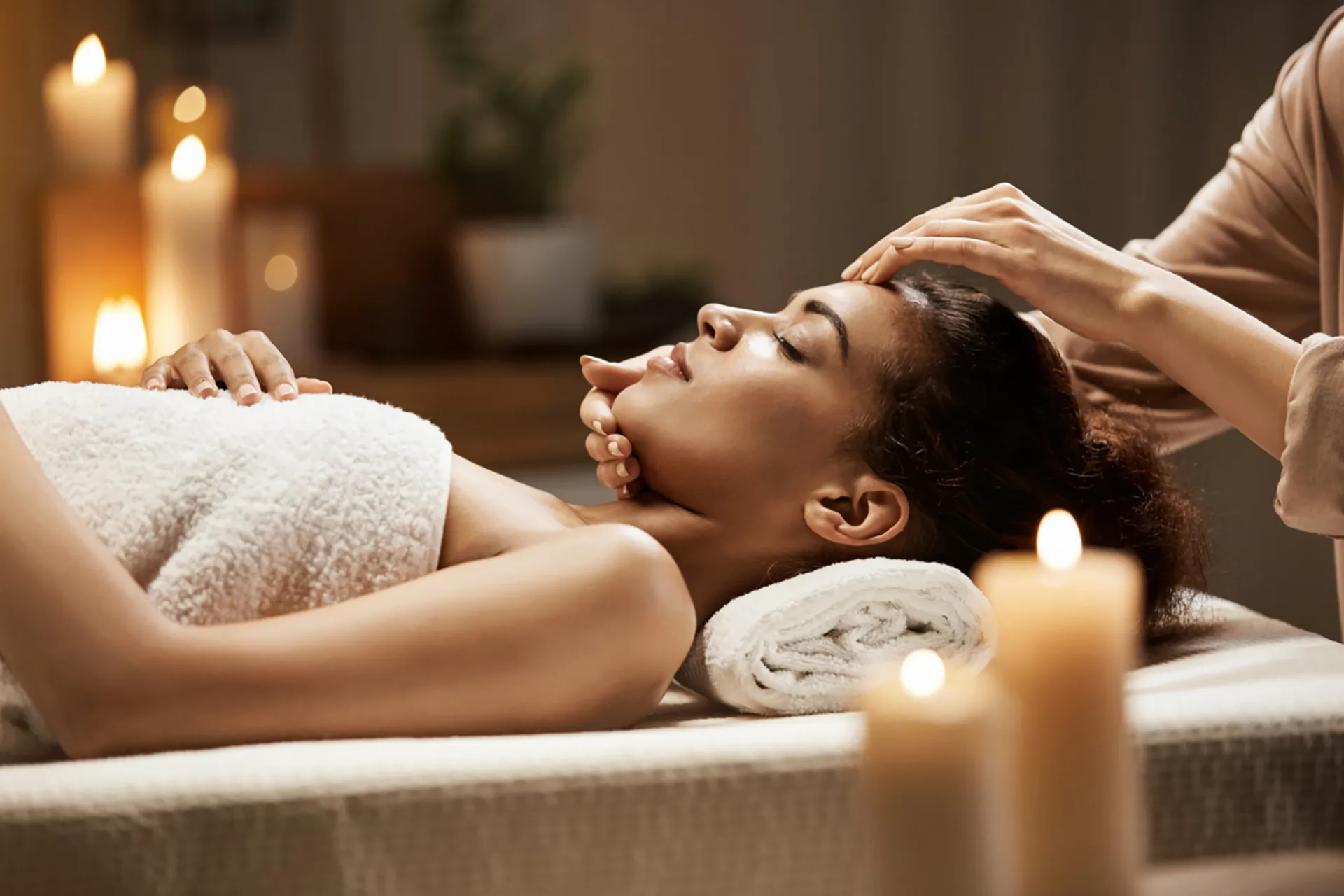
Healing Environment
Serene settings that support the detoxification and healing process
The Five Purification Processes
Each of the five main procedures targets specific toxins and imbalances
Vamana
Therapeutic Emesis - Medicated vomiting to eliminate excess Kapha dosha and mucus from the respiratory and gastrointestinal tracts.
Indications:
- Asthma & respiratory conditions
- Chronic allergies
- Skin diseases
- Diabetes (Kapha type)
Virechana
Purgation Therapy - Medicated purgation to cleanse excess Pitta dosha and toxins from the liver, gallbladder, and small intestine.
Indications:
- Liver disorders
- Skin inflammations
- Hyperacidity
- Migraine (Pitta type)
Basti
Medicated Enema - Herbal decoction and oil enemas to balance Vata dosha, considered the most important Panchakarma procedure.
Indications:
- Arthritis & joint disorders
- Neurological conditions
- Constipation
- Chronic back pain
Nasya
Nasal Administration - Medicated oils or powders administered through the nasal passages to cleanse the head and neck region.
Indications:
- Sinusitis & nasal congestion
- Headaches & migraines
- Neurological disorders
- Eye & ear problems
Raktamokshana
Blood Purification - Controlled detoxification of the blood to eliminate toxins causing skin and blood-related disorders.
Indications:
- Skin diseases (eczema, psoriasis)
- Chronic itching
- Gout & inflammatory conditions
- Certain types of abscesses
Comprehensive Benefits of Panchakarma
Beyond detoxification, Panchakarma offers profound holistic benefits
Physical Rejuvenation
Enhances cellular regeneration, improves metabolism, strengthens the immune system, and increases energy levels. Helps reverse the aging process at a cellular level.
Mental Clarity
Clears mental fog, improves concentration and memory, reduces stress and anxiety, and promotes emotional balance. Enhances overall cognitive function.
Dosha Balancing
Restores balance to Vata, Pitta, and Kapha doshas, addressing the root cause of disease rather than just symptoms. Creates optimal conditions for health.
Toxin Elimination
Removes deep-seated toxins (Ama) from tissues and channel systems, reducing inflammation, improving digestion, and preventing chronic diseases.
Skin & Beauty Enhancement
Promotes radiant skin, strengthens hair and nails, improves complexion, and reduces signs of aging through deep tissue cleansing and nourishment.
Improved Sleep Quality
Balances the nervous system, reduces insomnia, promotes deeper and more restful sleep, and regulates circadian rhythms naturally.
Panchakarma Treatment Protocol
A systematic three-phase approach ensuring safe and effective detoxification
Purvakarma (Preparation Phase: 3-7 days)
This preliminary phase prepares the body for detoxification through internal and external oleation (Snehana) and sudation (Swedana). Medicated oils are administered orally and through massage to loosen toxins from tissues and move them toward the gastrointestinal tract.
Pradhanakarma (Main Procedures: 5-15 days)
The core detoxification phase where the five purification procedures are administered based on individual needs. The specific Panchakarma procedures (Vamana, Virechana, Basti, Nasya, Raktamokshana) are carefully selected and sequenced according to the individual's constitution and health condition.
Paschatkarma (Post-Treatment Care: 7-14 days)
This crucial phase involves gradual reintroduction of diet and specific rejuvenation therapies (Rasayana). It includes dietary guidelines, lifestyle recommendations, and herbal supplements to restore digestive fire, nourish tissues, and consolidate the benefits of the treatment.
Important: Panchakarma should always be administered under the supervision of a qualified Ayurvedic physician. The treatment duration, specific procedures, and dietary regimen are personalized based on individual assessment.