Understanding Shiroroga
The Ayurvedic Perspective on Head Disorders and Their Modern Correlations
Shiroroga is the Ayurvedic term for disorders affecting the head, particularly various types of headaches. According to classical Ayurvedic texts like Charaka Samhita and Sushruta Samhita, there are eleven primary types of Shiroroga, each with distinct causes, symptoms, and treatment approaches.
These conditions are classified based on the underlying Dosha imbalance or specific pathological factors. Understanding Shiroroga requires a holistic view of how imbalances in body humors (Doshas), tissues (Dhatus), and channels (Srotas) manifest as head pain and related symptoms.
In Ayurveda, the head is considered the seat of all sensory and motor functions, making head disorders particularly significant. Shiroroga treatment focuses not just on symptom relief but on restoring fundamental balance to the body's systems.
Modern medicine recognizes many of these conditions as migraines, tension headaches, cluster headaches, sinusitis, and other neurological disorders. The Ayurvedic classification provides a unique framework for understanding the root causes and personalized treatment approaches that complement modern medical understanding.
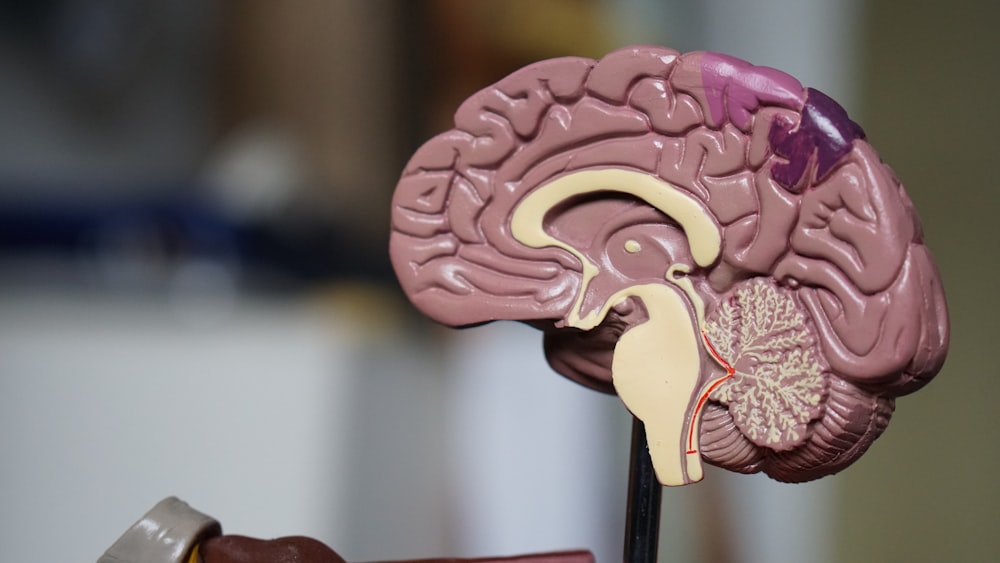
Head Anatomy & Pain Locations
Click on pain points to understand different types of Shiroroga
Vata Headache
Throbbing, intense pain often at the back of head or temples. Worse with movement, wind, and cold.
Pitta Headache
Burning, sharp pain typically in forehead or temples. Often with redness, fever, or sensitivity to light.
Kapha Headache
Dull, heavy pain often in forehead or sinuses. Accompanied by congestion, mucus, and stiffness.
Rakta Headache
Pulsating pain from vitiated blood. Often with redness, heat, and inflammatory symptoms.
The 12 Types of Shiroroga
Complete classification of head disorders in Ayurveda
Vataja
Vata Imbalance Headache
Characteristics
- Throbbing, intense, shooting pain
- Worse with movement and wind exposure
- Dryness, cracking sounds in neck
- Anxiety, insomnia, nervousness
- Pain location: Back of head, temples
Modern Correlation
Tension headache, migraine (without aura), cervicogenic headache
Mechanism
Vata dosha aggravated by dryness, cold, excessive movement, anxiety affecting the head's channels (Siras)
Pittaja
Pitta Imbalance Headache
Characteristics
- Burning, sharp, penetrating pain
- Redness, heat sensation in head
- Sensitivity to light, fever possible
- Irritability, anger, acidity
- Pain location: Forehead, temples, eyes
Modern Correlation
Migraine with aura, cluster headache, sun-induced headache
Mechanism
Pitta dosha aggravated by heat, spicy food, anger, sun exposure causing inflammation in head tissues
Kaphaja
Kapha Imbalance Headache
Characteristics
- Dull, heavy, constant ache
- Stiffness, heaviness in head
- Nasal congestion, mucus, coldness
- Lethargy, sluggishness, sleepiness
- Pain location: Forehead, sinuses
Modern Correlation
Sinus headache, tension-type headache, headache from cold/flu
Mechanism
Kapha dosha aggravated by cold, damp, heavy foods causing obstruction and congestion in head channels
Sannipataja
Tri-Dosha Headache
Characteristics
- Mixed symptoms of all three doshas
- Variable, complex pain patterns
- Multiple associated symptoms
- Difficult to treat, chronic nature
- Pain location: Multiple or shifting
Modern Correlation
Chronic daily headache, medication-overuse headache, complex migraine
Mechanism
Simultaneous vitiation of Vata, Pitta, and Kapha creating complex pathology requiring multifaceted treatment
Raktaja
Blood-Vitiated Headache
Characteristics
- Pulsating, vascular-type pain
- Redness, heat, inflammation
- Often with high blood pressure
- Aggravated by heat, alcohol, spices
- Pain location: Whole head, temples
Modern Correlation
Hypertensive headache, vascular headache, some migraines
Mechanism
Vitiated blood (Rakta dhatu) causing increased pressure and inflammation in cranial blood vessels
Kshayaja
Tissue Depletion Headache
Characteristics
- Dull, empty, debilitating pain
- Weakness, fatigue, exhaustion
- From chronic illness or malnutrition
- Worse with mental exertion
- Pain location: Whole head, diffuse
Modern Correlation
Headache from anemia, chronic fatigue, post-viral headache
Mechanism
Depletion of body tissues (Dhatu kshaya) leading to inadequate nourishment of head tissues and nerves
Krimija
Infection-Based Headache
Characteristics
- Severe, progressive pain
- Fever, systemic symptoms
- Signs of infection or toxicity
- Often with neck stiffness
- Pain location: Localized or general
Modern Correlation
Meningitis, encephalitis, brain abscess, severe sinus infection
Mechanism
Micro-organisms (Krimi) or toxins causing inflammation and infection in head tissues or meninges
Suryavarta
Sun-Related Migraine
Characteristics
- Pain starts at sunrise
- Worsens with sun progression
- Subsides at sunset
- Photophobia, visual disturbances
- Pain location: Right side often
Modern Correlation
Classic migraine, solar headache, hemicrania continua
Mechanism
Pitta aggravated by sun exposure causing dilation of cranial blood vessels on one side
Anantavata
Temporal Headache
Characteristics
- Pain along temple and eye area
- Stiffness in neck and shoulders
- Often with visual disturbances
- Worse with stress, tension
- Pain location: Temples, orbital area
Modern Correlation
Tension headache, temporal arteritis, some migraines
Mechanism
Vata and Kapha combination affecting temporal regions and ocular muscles
Ardhavabhedaka
Half-Head Migraine
Characteristics
- Severe pain on one side only
- Recurrent, periodic attacks
- Nausea, vomiting common
- Triggered by specific factors
- Pain location: One hemisphere
Modern Correlation
Migraine, hemicrania, cluster headache
Mechanism
Vata predominance causing unilateral vasodilation and nerve irritation
Shankaka
Temple Region Headache
Characteristics
- Pain in temporal region
- Feeling of tightness, pressure
- Jaw tension possible
- Worse with chewing, talking
- Pain location: Temples bilaterally
Modern Correlation
Temporomandibular joint disorder, tension headache, bruxism-related
Mechanism
Kapha and Vata affecting temporal muscles and TMJ region
Dantamula
Dental Origin Headache
Characteristics
- Pain originating from teeth/jaw
- Radiating to head, face, ears
- Worse with chewing, temperature
- Dental issues present
- Pain location: Jaw, cheeks, temples
Modern Correlation
Dental headache, TMJ disorder, trigeminal neuralgia
Mechanism
Dental pathology or jaw tension radiating through trigeminal nerve pathways
Ayurvedic Treatment Approaches
Holistic management strategies for different types of Shiroroga
Vata-Balancing Treatment Protocol
Vata-type headaches require warming, grounding, and nourishing therapies to counter the cold, dry, light qualities of aggravated Vata dosha.
Abhyanga (Oil Massage)
Daily warm sesame oil massage to head (Shiro Abhyanga) and full body to calm nervous system.
Swedana (Steam Therapy)
Localized steam to neck and shoulders to relax muscles and improve circulation.
Herbal Formulations
Ashwagandha, Brahmi, Jatamansi, Dashmoola to nourish nerves and calm Vata.
Dietary Adjustments
Warm, cooked, moist foods; regular meal times; avoid cold, dry, raw foods.
Lifestyle Modifications
Regular sleep schedule, stress reduction, gentle yoga, warm oil ear drops.
Shirodhara
Warm oil stream on forehead to profoundly calm the nervous system.
Pitta-Balancing Treatment Protocol
Pitta-type headaches require cooling, soothing, and pacifying therapies to counter the hot, sharp, intense qualities of aggravated Pitta dosha.
Cooling Therapies
Cooling head packs with sandalwood or rose water, Chandanadi Lepa.
Herbal Formulations
Amalaki, Guduchi, Sariva, Brahmi to cool inflammation and protect tissues.
Dietary Adjustments
Cooling foods, sweet/bitter/astringent tastes; avoid spicy, sour, fermented foods.
Lifestyle Modifications
Avoid midday sun, manage anger, practice moon gazing, cooling pranayama.
Blood Purification
Herbs like Manjistha, Neem, Guduchi to purify blood (Rakta shodhana).
Nasya with Ghee
Cooling nasal administration with Brahmi ghee or coconut oil.
Ayurvedic vs Modern Classification
Correlation between traditional Shiroroga types and modern headache disorders
Important: While these correlations provide helpful parallels, Ayurvedic diagnosis considers individual constitution (Prakriti), current imbalance (Vikriti), and multiple factors beyond symptom matching. Modern medical diagnosis should be sought for proper evaluation.
Prevention & Lifestyle Management
Daily practices to prevent and manage Shiroroga according to Ayurveda
Daily Routine (Dinacharya)
Wake up before sunrise, practice oral hygiene, oil massage, exercise, and regular meal times to maintain biological rhythms.
Seasonal Adaptation (Ritucharya)
Adjust diet and lifestyle according to seasons to prevent seasonal imbalances that can trigger headaches.
Proper Food Combining
Avoid incompatible food combinations that can create toxins (Ama) and trigger various types of headaches.
Stress Management
Regular meditation, pranayama, yoga, and adequate sleep to manage stress - a major headache trigger.
Regular Nasya
Daily nasal administration of appropriate oils to keep nasal passages clear and prevent Kapha accumulation.
Environmental Protection
Protect head from direct wind, sun, and cold exposure - all common triggers for different dosha imbalances.